Once upon a time, there was a farmer and his horse ran off during the night.
His neighbors said, “What poor fortune that your horse ran away.”
“Maybe,” replied the farmer.
The next morning the horse returned with three wild horses coming after it.
“What great fortune you have,” said his neighbors.
“Maybe,” said the farmer.
Then, the farmer’s son tried to ride one of the wild horses, was bucked off, and broke his leg.
“What poor fortune that your son broke his leg,” said his neighbors.
“Maybe,” responded the farmer.
The next day the military came to draft able-bodied young men for the war. Upon seeing the farmer’s son with his broken leg, they passed him by.
His neighbors exclaimed, “What great fortune you have.”
“Maybe,” said the farmer.
(Note: This story was paraphrased from the Calm app guided meditation from 8/9/25.)
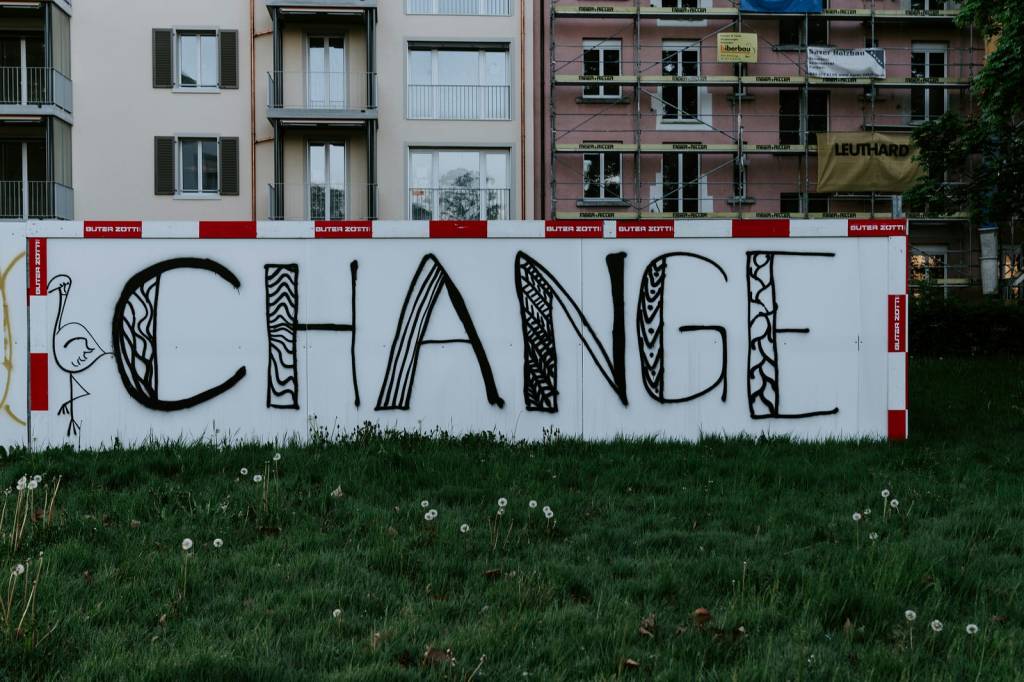
What the farmer knew that his neighbors didn’t realize is that change is always around the corner.
You never know when you’re going to experience poor fortune or good fortune. Yet, it’s imperative to understand that change is a constant.
When something isn’t going well, it’s not always going to be that way.
When something is going well, it’s not always going to be that way.
Here’s how we can respond to change.
#1: Understand the different responses to change.

The farmer was even-keeled when it came to change. He understood that change is inevitable and that things can change quickly.
Most of us don’t respond in the same way.
We are emotional, and it’s important to not only recognize the emotions but to let ourselves experience them.
When we are excited about a new job opportunity, we are nervous about the unknowns.
When there is an end to a relationship, we are nervous about the unknowns.
Two different life changes, and yet they are both life altering.
We need to allow ourselves to sit with the feelings. We must understand that we’re going to respond in different ways to change. Two people can have the same situation and respond to it differently.
And that’s okay.
#2: Maintain a balanced perspective.

Again, think back to the farmer’s perspective. With the ebb and flow of bad news and good news, his response was, “Maybe.”
He had a balanced perspective.
He understood that change is inevitable and that things won’t stay the same for long.
Good things don’t last. Bad things don’t last.
A balanced perspective can come from making a pros/cons list about the situation. While something awful doesn’t seem positive, we find a silver lining.
We can also balance our perspective through an affirmation:
“The only way to make sense out of change is to plunge into it, move with it, and join the dance.” — Alan Watts, British & American Writer
#3: Cultivate a Positive Attitude
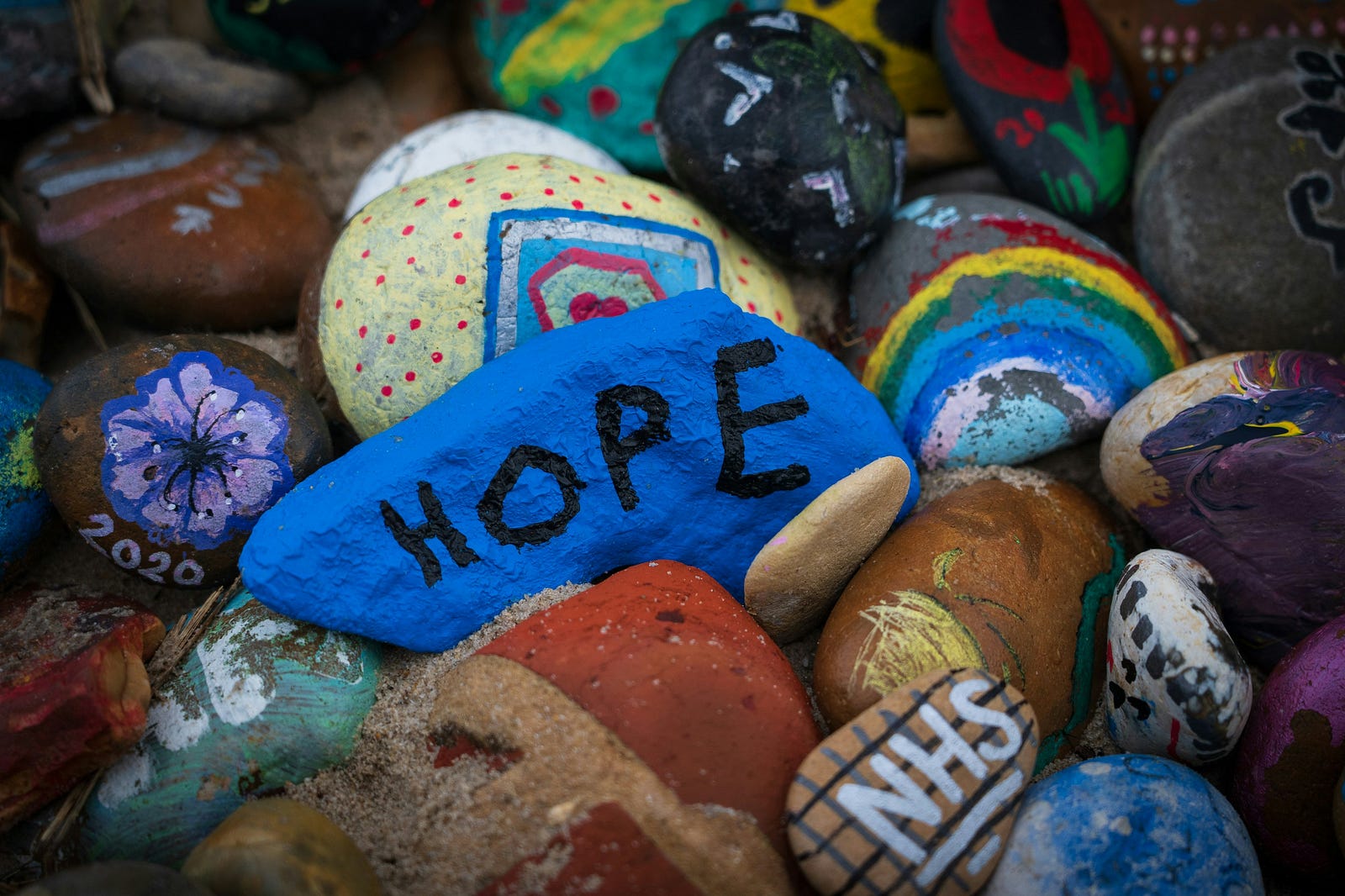
Even with the most difficult changes, we can still be hopeful.
This involves keeping an open mind and to be aware of our thinking patterns.
For example, I know that when I’m experiencing a tough change, I often step away. It’s like a turtle going into its shell. I circle the wagons, so to speak.
I know that if I don’t my thinking patterns will go incredibly negative. I’ve learned this throughout my life. Instead of letting my thoughts go that way, I take time to myself.
Most of the time my productivity increases, because it keeps me from dwelling. I go for walks. I sleep. I journal. I go inward, because that’s what helps me get through the tough stuff.
In Conclusion.
Change is unavoidable. It’s always going to be right around the corner.
The question is, what are you going to do moving ahead when change comes for you?
Like the farmer, perhaps your perspective will change to, “Maybe.”
Because one thing is for sure, you can’t escape it.
Cheers!




 Let the Adventure Begin
Leave a comment